
What is Styrene Plastic?
Styrene plastic is the common name for polystyrene sheet, most often high-impact polystyrene (HIPS). Styrene itself is a liquid monomer that becomes polystyrene when polymerized. HIPS adds polybutadiene rubber for toughness, which makes it opaque. It is lightweight, low cost, and easy to print, die-cut, and vacuum form, so it is used mainly for indoor signs, displays, and packaging.
By B. Decker • Updated November 2026 • Reviewed by the Laird Plastics Engineering Team • 8 min read
Ask a sign shop for "styrene" and you get a sheet of high-impact polystyrene. Ask a chemist and you get a liquid that never ships as a sheet at all. That overlap is where most styrene confusion starts. Styrene, polystyrene, HIPS, EPS foam, and "Styrofoam" are related, but they are not interchangeable.
Laird Plastics stocks Primex HIPS sheet in white, dead white, and white translucent, in gauges from .015" to .118" and sheet sizes from 48" x 96" up to 60" x 120". This guide explains what each styrene term means, how HIPS performs, where it fits, and when a different plastic is the better call.
In this guide
Styrene, Polystyrene, HIPS, and Foam: What Each Name Means
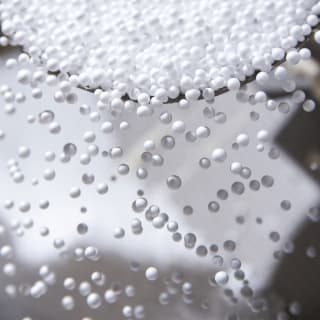 Styrene is a liquid monomer, the chemical building block. Chevron Phillips Chemical describes the standard route: benzene is alkylated with ethylene to make ethylbenzene, which is then dehydrogenated into styrene. From there it goes into polystyrene, expandable polystyrene foam, ABS, SAN, styrene-butadiene rubber for tires, and unsaturated polyester resins used in products like boats.
Polystyrene is what you get when styrene is polymerized. In its general-purpose form, called GPPS, PlasticsEurope describes it as clear, hard, and brittle.
HIPS solves the brittleness. Producers dissolve polybutadiene rubber in styrene monomer before polymerization, leaving rubber particles spread through the finished plastic that absorb impact energy and stop cracks from running. The tradeoff is clarity: the rubber makes HIPS opaque or translucent. When people in signs and packaging say "styrene," this is almost always the sheet they mean.
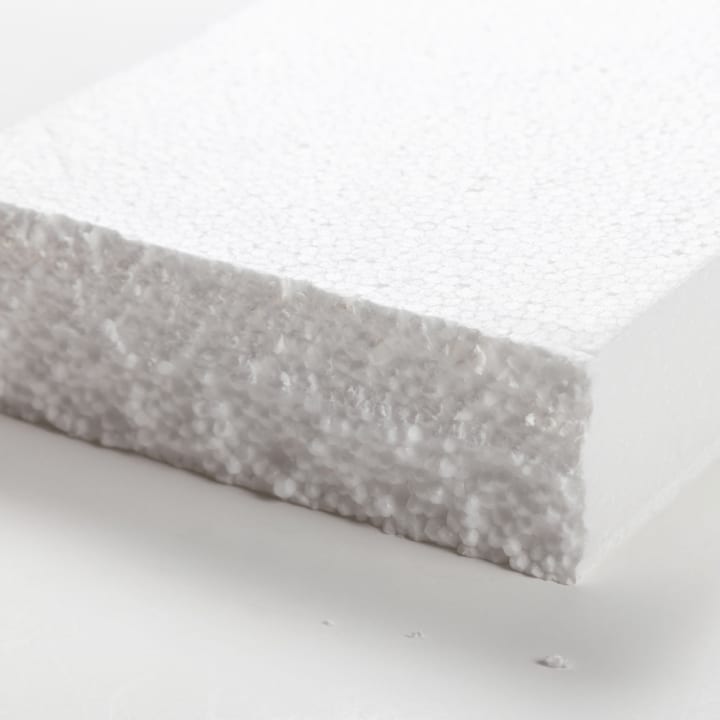
Foam is a separate branch. Cups, takeout containers, and coolers are made of expanded polystyrene (EPS). "Styrofoam" is actually DuPont's brand of extruded polystyrene (XPS) rigid board insulation, a different product. Some display boards also use a polystyrene foam core. Gatorfoam, for example, pairs one with dense wood-fiber veneer facers.
| Term | What it is | Where you see it |
|---|---|---|
| Styrene | Liquid monomer (building block) | Raw material for plastics, resins, and synthetic rubber |
| GPPS | Unmodified polystyrene; clear, hard, brittle | Windows, box lids, display covers, clear packaging |
| HIPS | Polystyrene toughened with polybutadiene rubber; opaque or translucent | Signs, POP displays, thermoformed trays, inserts |
| EPS | Expanded polystyrene bead foam | Cups, coolers, food packaging, cushioning |
| XPS | Extruded closed-cell polystyrene foam board (Styrofoam brand) | Building insulation |
| ABS | Copolymer of acrylonitrile, butadiene, and styrene | Consumer durables; see our ABS guide |
HIPS Properties: Strengths and Limits
HIPS earns its place on cost and ease of conversion, not on extreme performance. Here is what to expect from standard sheet.
| Property | What to expect |
|---|---|
| Impact strength | Rubber-modified for toughness; tougher than clear GPPS |
| Cold | Laird's HIPS sheet is listed for durability down to -20°F |
| Heat | Forms at relatively low temperatures; the rubber also lowers its softening point compared with GPPS, so keep parts away from heat sources |
| UV and outdoor use | Primarily an indoor material; prolonged UV exposure can embrittle and yellow it |
| Chemicals | Sensitive to strong solvents such as ketones; test cleaners and adhesives first |
| Printing | Accepts screen, offset/litho, flexo, and digital printing; corona-treated grades improve ink adhesion |
| Fabrication | Die-cuts, laser cuts, heat bends, laminates, and thermoforms |
| Recycling | Resin identification code 6; recycling options vary by region |
Print and fabrication processes per Primex's HIPS sell sheet; recycle code per the Primex DIGI-HIPS data sheet.
Rule of thumb: Treat HIPS as an indoor material that can handle a short outdoor run, like a seasonal promotion. Sheet makers rate standard HIPS for temporary outdoor signage. For anything facing prolonged sun, specify polycarbonate or another outdoor-rated substrate.
What Is Styrene Plastic Used For?
 Styrene's sweet spot is printed, short-to-medium life work where cost per piece matters more than decades of service.
- Indoor signs and point-of-purchase displays. Aisle markers, pump toppers, posters, and POP fixtures are standard HIPS jobs. See Laird's graphics and signage materials.
- Backlit signs. Translucent HIPS lets light through for illuminated graphics, and some sheet makers offer UV-inhibited print grades aimed at back-lit work.
- Trade show graphics. Light weight and easy printing make HIPS a fit for booth panels and event displays.
- Thermoformed packaging. Trays, inserts, clamshells, and protective packaging take advantage of HIPS's low forming temperature and crisp detail.
- Prototypes and mockups. Designers use it to test shapes and fits before committing to tooling or a costlier material.
- Horticultural tags and labels. Thin printed HIPS is common for plant tags and short-term outdoor labels.
How to Choose Styrene Sheet: Gauge, Finish, and Grade
Start with gauge. Typical indoor sign work runs .030" to .060", and heavier gauges add stiffness for larger panels. Laird's translucent HIPS comes in .015" for light-transmitting faces. Then pick a finish: matte, smooth or gloss, and embossed surfaces are all available depending on the SKU.
For printing, choose a corona-treated or printable grade and confirm ink adhesion with your system before a production run. Need a clear panel for windows or box lids instead? Ask your branch about clear general-purpose (GPPS) styrene.
| Laird HIPS product (Primex) | Color | Gauges | Sheet sizes |
|---|---|---|---|
| Styrene Plastic Sheets (HIPS) | White | .015", .020", .030", .040", .060", .080", .118" | 48" x 96", 50" x 100" |
| Styrene (HIPS) Dead White | Dead white, fully opaque | .020", .030", .040", .060" | 48" x 96", 50" x 99", 50" x 100", 60" x 120" |
| Styrene (HIPS) Translucent | White translucent | .015" | 50" x 100" |
Styrene vs. PETG vs. Acrylic
These three show up on the same display and sign jobs. The short version:
- Styrene (HIPS): the best value, and the easiest of the three to print and form. Mainly for indoor use.
- PETG: clear, tougher than acrylic, forms easily, and handles chemical stress better. Pick it when a part has to be both clear and formed.
- Acrylic: the highest clarity and scratch resistance, but more rigid and more brittle. UV-capable grades are available for outdoor signs.
For signs that stay outdoors long term, Laird recommends polycarbonate or another outdoor-rated substrate over styrene. For a broader look at sign materials, see choosing the right rigid substrates.
Is Styrene Plastic Safe?
Safety questions usually blur the monomer and the plastic. Styrene is the liquid monomer; HIPS is a solid polymer made from it. In 2018, the International Agency for Research on Cancer classified styrene as probably carcinogenic to humans (Group 2A).
Europe's food safety authority reviewed that finding in 2020. Its food-contact panel noted that IARC's evidence came mainly from occupational and animal inhalation studies and said it cannot be directly applied to consumer risk from food-contact plastics. The same panel said a genotoxicity concern from oral exposure cannot be ruled out and called for more data.
The practical takeaway: for food-contact parts in the U.S., specify a polystyrene grade documented as compliant with FDA 21 CFR 177.1640 and request the compliance letter. For cutting, forming, and other shop work, follow the sheet manufacturer's safety data sheet.
Need styrene sheet, blanks, or formed parts?
Laird Plastics provides cut-to-size HIPS sheet, die-cut blanks, and thermoformed parts. Talk with your local branch about gauges, finishes, and print grades.
Frequently Asked Questions
What is styrene plastic?
Styrene plastic is the everyday name for polystyrene sheet, usually high-impact polystyrene (HIPS). It is a low-cost, lightweight thermoplastic that prints, die-cuts, and vacuum forms easily.
Is styrene the same as polystyrene?
No. Styrene is the liquid monomer, and polystyrene is the solid plastic made by polymerizing it. In the sign and packaging trades, though, "styrene" is shorthand for polystyrene sheet.
What does HIPS stand for?
HIPS stands for high-impact polystyrene. It is polystyrene toughened with polybutadiene rubber, which makes it far less brittle than clear general-purpose polystyrene.
Is Styrofoam the same as styrene?
No. Styrofoam is DuPont's brand of extruded polystyrene (XPS) insulation board. Foam cups and containers are expanded polystyrene (EPS), and HIPS sheet is a solid, unfoamed plastic.
Can styrene be used outdoors?
Only for short-term jobs. Prolonged UV exposure can embrittle and yellow HIPS, so long-term outdoor signs call for polycarbonate or another outdoor-rated substrate.
What thickness of styrene is used for signs?
Most indoor signs use .030" to .060" styrene. Larger panels benefit from a heavier gauge for added stiffness.
Can you vacuum form styrene?
Yes. HIPS forms at relatively low temperatures with good detail, making it a common choice for trays, inserts, and shallow-to-medium depth parts.
Is styrene plastic recyclable?
Polystyrene carries resin identification code 6 and can be recycled, but collection and recycling options vary by region.
Is ABS a type of styrene?
ABS is a styrene-based copolymer made from acrylonitrile, butadiene, and styrene. It is a separate material with its own properties, covered in Laird's ABS guide.
Is styrene plastic food safe?
Only grades documented for food contact should touch food. In the U.S., look for polystyrene compliant with FDA 21 CFR 177.1640 and request the compliance letter from your supplier.
Bottom Line
"Styrene plastic" almost always means HIPS: polystyrene toughened with rubber, sold as opaque or translucent sheet. It is one of the most economical ways to make printed indoor signs, POP displays, and thermoformed trays. Respect its limits on UV, heat, and strong solvents. When a job needs clarity, go to PETG or acrylic, and when it needs long outdoor life, go to polycarbonate.
Related reading
- What is ABS plastic?
- PETG plastic: properties, uses, and advantages
- Plastics used in signage
- Choosing the right rigid substrates
- What is corrugated fluted material?

About the Author
B Decker, Digital Content Specialist
B Decker is a Digital Content Specialist working with Laird Plastics, with five years of focused content production for the industrial plastics distribution sector and a decade of broader industrial-sector writing experience. B's work covers materials science explainers, fabrication and machining guidance, specification support, and application case studies across thermoplastics, engineering plastics, and composites.
For specification support, sample requests, or material certification documents, contact your local Laird Plastics location.
Specifications in this article are nominal values for general guidance. Confirm grade, thickness, and suitability for your application with your local Laird Plastics branch. This article is not medical or regulatory advice. Styrofoam™ is a trademark of DuPont de Nemours, Inc. Gatorfoam® is a registered trademark of its owner. Other trademarks belong to their respective owners. Laird Plastics® is a registered trademark owned by Laird Technologies, Inc. and is used herein pursuant to a license.
Sources
- Chevron Phillips Chemical, "Styrene"
- PlasticsEurope, "Polystyrene"
- Formerra, "Polystyrene (PS): HIPS and GPPS"
- DuPont, "Styrofoam is not a cup"
- Primex, "Prime Impax High Impact Polystyrene" sell sheet
- Primex, "DIGI-HIPS" data sheet
- IARC Monographs Vol. 121, "Styrene, Styrene-7,8-oxide, and Quinoline" (2019)
- EFSA CEP Panel, "Assessment of the impact of the IARC Monograph Vol. 121 on the safety of styrene for use in plastic food contact materials" (2020)